
"The world's rarest"
500 article(s) found

Introduction of Ethiopian Coffee beans the characteristics of Ethiopian coffee beans
Various forms of coffee cultivation can be found in Ethiopia: everything from wild coffee forests and semi-developed land to traditionally operated plots to modern plantations. About 50% of the coffee is grown more than 1500 meters above sea level. Harrar coffee is the highest growing area of all coffee in Ethiopia. Hara coffee can be divided into long coffee.

Indonesia's Kopi Luwak, one of the most expensive coffees in the world, introduces the Furn Manor in Sumatra.
Kopi Luwak, which is produced in Indonesia, is one of the most expensive coffee in the world. Kopi Luwak is just another name. Its official name is Kopi Luwak,Kopi, which means coffee in Indonesian, and Luwak is a wild animal called civet. The coffee is as thick as syrup, the aroma is exclusive, and there is a hint of mint cool in the mouth. Shit coffee has an individual name, it is called you

Unique fermentation way Indonesian Kopi Luwak flavor taste introduction Kahayang Gan Manor
Kopi Luwak, also known as civet coffee. The official name of Kopi Luwak is Kopi Luwak. Kopi means coffee in Indonesian and Luwak is a wild civet in Indonesia. The coffee is commonly known as Kopi Luwak because it is made from beans picked from the droppings of civets. Kopi Luwak, produced in Indonesia, grows a lot of coffee crops.

The origin of Kopi Luwak, the origin of coffee beans, the origin of all kinds of coffee.
Muscat coffee, Kopi (Indonesian, coffee), Luwak refers to an arboreal wild animal commonly known as the civet in Indonesia, which is found in Sumatra, Zawa, and Sulvish and is part of the 13677 islands of Indonesia. This kind of coffee is called the most fragrant poop since there is shit. Although its name is not very elegant, it is a fact. It's the Indonesian island of Sumatra.

Coffee producing area-Ethiopia (Ethiopia)
The birthplace of coffee-Ethiopia

Introduction to the characteristic Origin of Ethiopian Coffee
Coffee production in Ethiopia: many coffee trees in Ethiopia are still wild plants, and the coffee grown on this coffee tree is full of grains and slightly alcoholic. Today, Ethiopia is an important coffee producer and a major exporter of Arabian coffee beans in Africa. The high-quality coffee here is of excellent quality. A variety of coffee cultivation methods can be found in Ethiopia:

What's special about Kona coffee beans in Hawaii
Following Cafe (Wechat official account vdailycom) found that Kona Coffee beans in Hawaii opened a small shop of its own. Kona coffee beans made in Hawaii have the perfect appearance, their fruit is unusually full and shiny. The taste of coffee is rich and aromatic, with cinnamon flavor, and the acidity is well balanced. Hawaiian coffee is beautiful.

Introduction of cyan bourbon coffee beans on St. Helen Island
Follow Cafe (Wechat official account vdailycom) found that Beautiful Cafe opened its own shop, St. Helens Island, with an area of only 121square kilometers and a population of no more than 10,000. it is a volcanic island in the vast Atlantic Ocean, belonging to the United Kingdom, 1950 kilometers from the west coast of Africa and 3400 kilometers from the east coast of America. Born here.

Drink the most expensive cup of coffee in Tunxi Old Street
In most cases, the ancient street is paired with tea, but sometimes the business feels incredible, and people's pursuit of novelty can have a great influence, such as the cat shit coffee shop that comes across on a rainy night in Tunxi Old Street. Tunxi Old Street is located at the confluence of Hengjiang, Chengshui and Xin'an Rivers, so it is also known as the flowing Qingming Festival Riverside Map, which is the most well-preserved in China.

St. Helen Island Coffee Green bourbon Elaraby Coffee introduction
Follow Cafe (Wechat official account vdailycom) found that Beautiful Cafe opened its own shop, Helen Island, with an area of only 121square kilometers and a population of no more than 10,000. it is a volcanic island in the vast Atlantic Ocean, belonging to the United Kingdom, 1950 kilometers from the west coast of Africa and 3400 kilometers from the east coast of America. Grow up here.

The birthplace of coffee in Ethiopia (Ethiopia)
Today, Ethiopia is an important coffee producer, with about 12 million people engaged in coffee production and a major exporter of Arab coffee beans in Africa. The high-quality coffee here is of excellent quality and is worth looking for. Various forms of coffee cultivation can be found in Ethiopia: from wild coffee forests and semi-developed land, to traditionally operated plots of land, to modern plantations

Fragrant and persistent Yemeni boutique coffee beans introduce Yemeni mocha coffee
There are many varieties of Yemeni coffee, most of which are named after their origin and type, with different flavors, such as fresh wood, tobacco, musk, fruit wine, roasted nuts, cocoa and warm seasonings, especially Moha coffee. At present, Yemeni Moha coffee is the most famous Yemeni Moha coffee on the market, such as Isemary, Matari, Sanani and so on. Sanani coffee has medium grain size and fruit wine style.

Introduction to Ethiopian Coffee Bean Culture of Ethiopian Coffee beans
Various forms of coffee cultivation can be found in Ethiopia: everything from wild coffee forests and semi-developed land to traditionally operated plots to modern plantations. About 50% of the coffee is grown more than 1500 meters above sea level. Harrar coffee is the highest growing area of all coffee in Ethiopia. Hara coffee can be divided into long coffee.

Characteristics of Ethiopian coffee beans introduction of Ethiopian coffee beans
Various forms of coffee cultivation can be found in Ethiopia: everything from wild coffee forests and semi-developed land to traditionally operated plots to modern plantations. About 50% of the coffee is grown more than 1500 meters above sea level. Harrar coffee is the highest growing area of all coffee in Ethiopia. Hara coffee can be divided into long coffee.

Characteristics of Ethiopian coffee beans introduction of Ethiopian coffee beans
Various forms of coffee cultivation can be found in Ethiopia: everything from wild coffee forests and semi-developed land to traditionally operated plots to modern plantations. About 50% of the coffee is grown more than 1500 meters above sea level. Harrar coffee is the highest growing area of all coffee in Ethiopia. Hara coffee can be divided into long coffee.

Introduction of Coffee Manor in Sidamo Gedeo District, Sidamo Province, Yega Snow Coffee producing area
Today, Ethiopia is an important coffee producer, with about 12 million people engaged in coffee production and a major exporter of Arabica coffee beans in Africa. The high-quality coffee here is of excellent quality and is worth looking for. A variety of coffee cultivation methods can be found in Ethiopia: from wild coffee forests and semi-developed land

Coffee producing area of Ethiopia Arabica coffee beans
Coffee production in Ethiopia: many coffee trees in Ethiopia are still wild plants, and the coffee grown on this coffee tree is full of grains and slightly alcoholic. Today, Ethiopia is an important coffee producer and a major exporter of Arabian coffee beans in Africa. The high-quality coffee here is of excellent quality. A variety of coffee cultivation methods can be found in Ethiopia:

The special flavor of Indonesian Kopi Luwak introduces boutique coffee beans.
Kopi Luwak, also known as civet coffee. The official name of Kopi Luwak is Kopi Luwak. Kopi means coffee in Indonesian and Luwak is a wild civet in Indonesia. The coffee is commonly known as Kopi Luwak because it is made from beans picked from the droppings of civets. Kopi Luwak, produced in Indonesia, grows a lot of coffee crops.
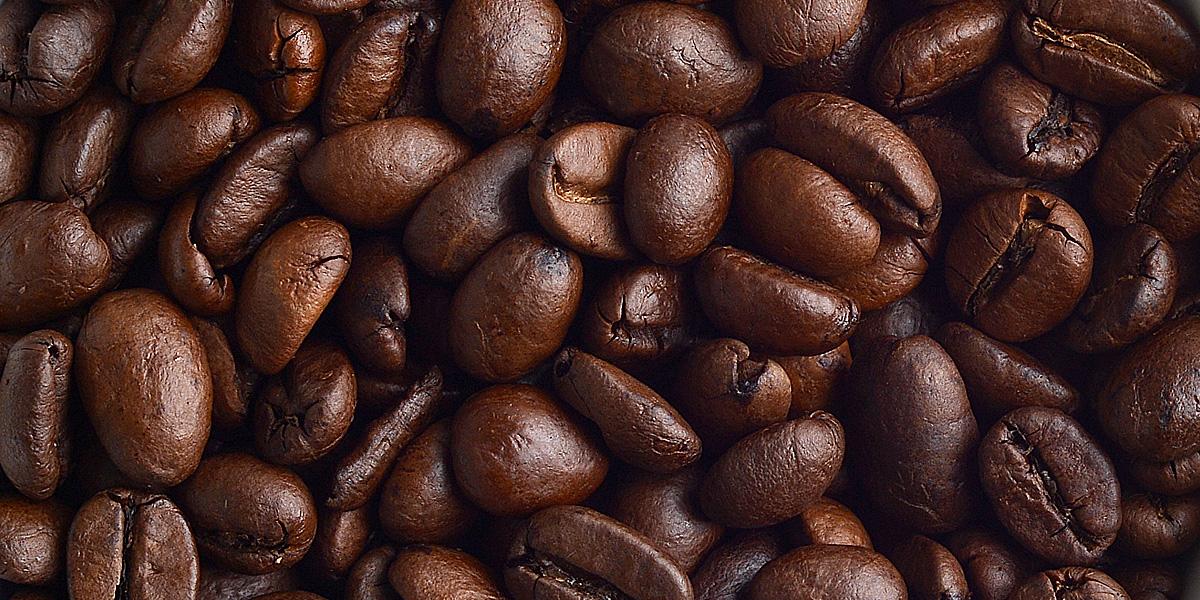
Yemeni coffee taste, Yemeni coffee flavor
Follow the comments (Wechat official account vdailycom) found that the beautiful cafe opened a small shop of its own. Although Ethiopia was the first country in the world to discover coffee, Yemen was the first country in the world to produce coffee on a large scale as a crop. In the 17th century, the first batch of Yemeni coffee was exported to Europe through the ancient port of Mocha. This is Mocha.

Ethiopian coffee price
Ethiopian coffee beans are divided into several grades, the price is generally subdivided into two categories, each category has 6 grades. Prices range from $3 / lb to more than $20 / lb. Determine the price according to the cup test performance. Various forms of coffee cultivation can be found in Ethiopia: from wild coffee forests and semi-developed land, to traditionally managed plots of land, to modern species